Buyer Guides · December 21, 2024 · Laurence Rapp
Luxury Branded Residences: The Ultimate Guide to Prestige Property Ownership
From 1920s New York to today's $100 billion global market, branded residences have become one of real estate's most powerful ideas. This is the complete guide to how the sector works and how to buy into it.
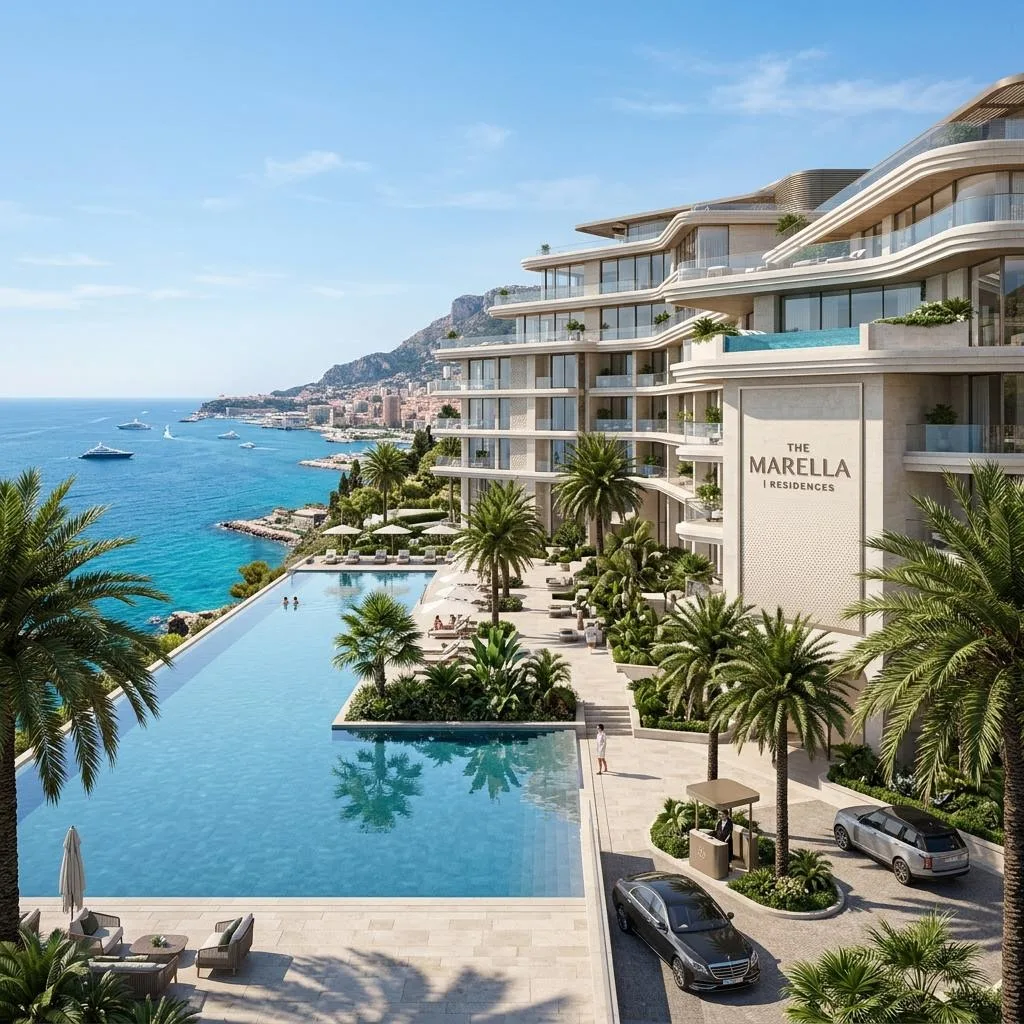
Branded residences have quietly become one of the most significant forces in global luxury real estate, evolving from a niche New York curiosity nearly a century ago into a market now estimated to exceed $100 billion in value worldwide. This guide traces that evolution and sets out everything a prospective buyer needs to understand before entering the sector.
A Brief History: From 1920s New York to Today
The branded residence concept traces its roots to 1927, when New York's Sherry-Netherland became one of the first buildings to pair private residential apartments with full hotel services. This model remained a largely American niche for decades before expanding internationally from the 1980s onward, as hospitality groups recognised the commercial opportunity in extending their brand equity into private homeownership.
Evolution From Hotel to Lifestyle Brands
For most of the twentieth century, branded residences were exclusively the domain of hotel operators. That changed decisively over the past fifteen years, as fashion houses including Armani and Versace, automotive marques such as Porsche, Bugatti, and Aston Martin, and wellness-focused operators like Six Senses each recognised that their own brand equity could command similar premiums when applied to residential real estate.
Global Market Size
Industry estimates now place the global branded residence market at well over $100 billion in cumulative value, spanning more than 100 countries and territories, with continued double-digit annual growth in new project announcements — a pace of expansion that shows little sign of slowing as new brand categories continue entering the sector.
Key Markets Worldwide
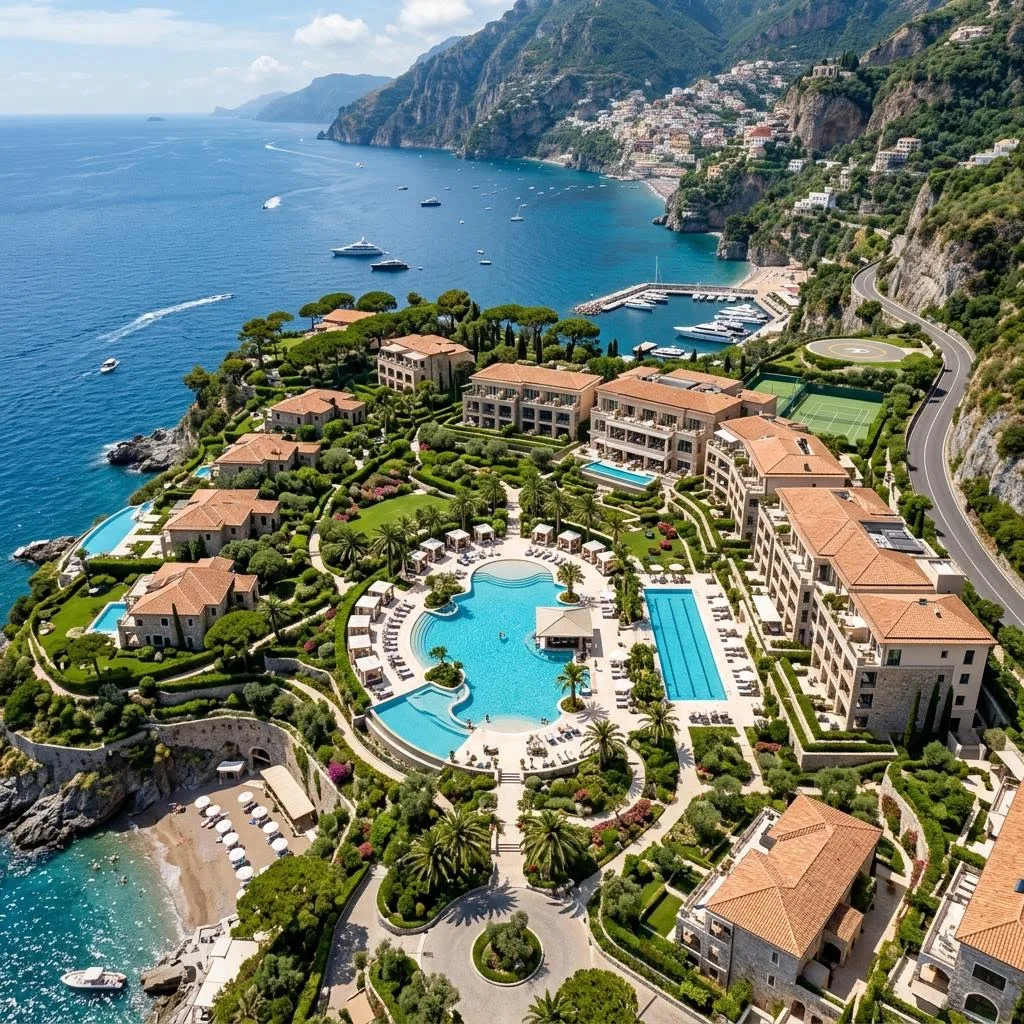
Dubai leads the world by volume of branded developments, followed by the United States (concentrated in Miami and New York), London's super-prime segment, and a fast-growing cluster of markets across the Caribbean, the Mediterranean, and increasingly Saudi Arabia, where Vision 2030-linked giga-projects are drawing significant international brand investment.
What Makes a Residence Truly 'Luxury'
Genuine luxury branded residences share several defining characteristics: an internationally recognised brand with a credible service or design pedigree, a formal management agreement governing standards and service delivery, a location with strong underlying real estate fundamentals independent of the brand, and an amenity package that meaningfully exceeds what is achievable in a comparable unbranded development.
Price Premium Research
Research from leading property consultancies including Knight Frank has consistently found branded residences achieving price premiums in the range of 20 to 35% over unbranded comparables in the same location, with the highest premiums typically observed in emerging markets where brand reassurance carries particular weight for international buyers unfamiliar with local developer standards.
- Origins trace to 1920s New York with the Sherry-Netherland
- Global market value now estimated at over $100 billion
- Price premiums of 20 to 35% over unbranded equivalents
- Expansion beyond hotels into fashion, automotive, and wellness brands
- Dubai, Miami, London, and the Caribbean remain the deepest markets
Top Brands by Reputation
Among hospitality names, Four Seasons, Ritz-Carlton, and Aman consistently rank among the most trusted globally, while Bulgari and Armani lead the fashion-branded segment, and Bugatti, Aston Martin, and Bentley have quickly established themselves as the leading names in automotive-branded residential real estate.
How to Buy: A Step-by-Step Approach
Prospective buyers should begin by clarifying their priorities — lifestyle, investment yield, or long-term capital preservation — before narrowing their search to specific markets and brands that align with those goals. From there, thorough due diligence on the developer, the brand management agreement, and the underlying real estate fundamentals is essential, followed by careful review of any rental programme terms before committing capital.
Working With Specialists
Given the cross-border complexity typical of branded residence transactions, working with an advisor who specialises specifically in this sector — rather than a generalist agent — materially reduces the risk of costly oversights and ensures access to the full breadth of available inventory, including off-market and pre-launch opportunities.
The Future of the Sector
Looking ahead, expect continued diversification beyond hospitality into wellness, technology, and even culinary brands, alongside sustained growth in emerging markets including Saudi Arabia and the wider Gulf region. The branded residence model has proven remarkably adaptable, and its next chapter is likely to bring an even broader range of brand categories into residential real estate than exists today.
Discover our full portfolio of branded residences for sale across every major global market, and explore our complete branded residences knowledge centre for in-depth guides covering every leading brand and destination. To discuss your requirements and arrange a private viewing, contact our specialist advisors.
Conclusion
From a single New York apartment building in 1927 to a $100 billion global industry spanning fashion houses, automotive marques, and wellness pioneers, branded residences have fundamentally reshaped what buyers expect from luxury real estate. For those approaching the market with the right knowledge and the right advisor, it remains one of the most compelling ways to combine lifestyle, prestige, and long-term investment value.