Buyer Guides · September 25, 2026 · BrandedResidences.online Editorial Team
What Are Branded Residences and Why Should You Care?
An independent introduction to branded homes: the brands behind them, the services you actually buy, the costs to scrutinise and the reasons this fast-growing sector matters.
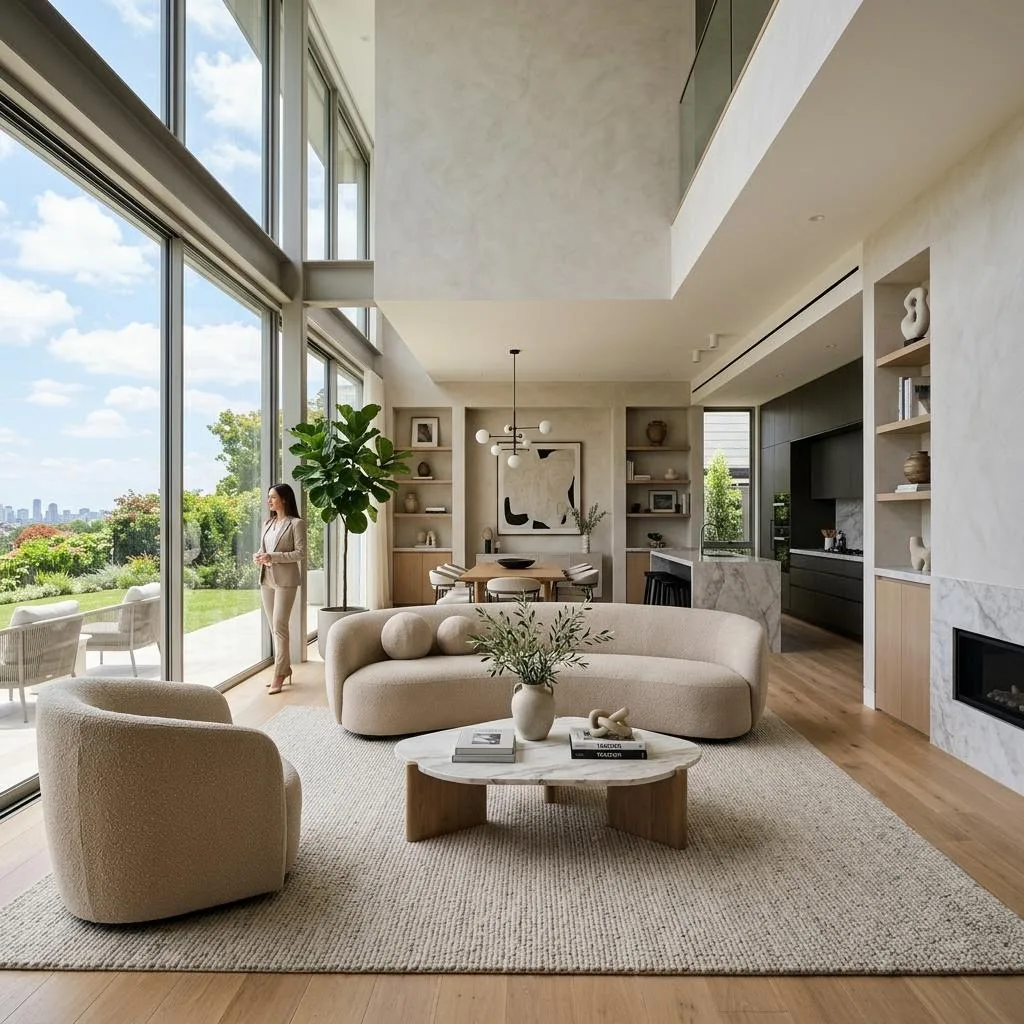
A home associated with a famous hotel or design house can sound like a simple luxury upgrade. In reality, a branded residence is a more specific proposition: private residential property connected to a recognised brand through a formal arrangement covering some combination of design, services, amenities and management. It is still a home you buy or occupy, not merely a hotel room with a longer booking. The brand relationship is what sets it apart from an ordinary premium apartment.
Why care? Because two beautiful apartments on the same street can carry very different obligations. One might include concierge support, managed maintenance and access to a hotel spa; another might only use a famous name under a design licence. The difference affects day-to-day life, annual costs and the value of the brand proposition. Understanding that distinction matters more than recognising the logo on the brochure.
What exactly counts as a branded residence?
Typically, a developer partners with a hotel operator, hospitality group or non-hotel brand to create and market private homes. The brand may specify finishes and quality standards, provide on-site staff or oversee services after completion. Some developments sit alongside a hotel; others are stand-alone residential schemes. Neither layout automatically guarantees a particular level of service. What counts is the contract governing the brand relationship and what the owner can actually use.
The familiar model is hotel-branded living: a privately owned apartment or villa associated with operators such as Four Seasons, St. Regis or Raffles. Owners may have access to housekeeping, concierge services, restaurants or wellness facilities, sometimes for separate fees. Non-hotel brands, including fashion and automotive names, can focus more on architecture, interiors and identity. In every case, read beyond the brand name to determine who manages the property and who is responsible when standards fall short.
A useful first question is: “What am I buying that would not be included in a comparable unbranded home?” Ask for that answer in writing. A recognisable name is not itself a service agreement, a warranty of construction quality or a promise of future resale performance.
Why is the sector attracting attention?
The market has expanded as affluent buyers look for homes that combine privacy with hospitality-style convenience. International purchasers may value an established operator when they are not in residence year-round; developers value the differentiation a brand can bring to a project. The growth is measurable, though estimates vary because researchers use different definitions and count pipeline schemes differently.
For example, Savills’ Branded Residences 2025–26 report estimated that the number of global schemes would rise from 764 in December 2024 to 910 by the end of 2025, a projected 19% increase. Savills also reported 25 countries offering their first branded residential project and new entrants from both hotel and non-hotel sectors. These are industry research estimates and projections, not guaranteed completions or investment returns.
A separate Knight Frank global branded residence survey reviewed more than 1,000 live and pipeline schemes across 83 countries and forecast continuing expansion through 2030. Its narrower time series counted 611 schemes at the time of publication, illustrating why figures from different reports should not be treated as directly interchangeable. Both sources, however, describe a sector spreading beyond its historic hotel-led base.
What do owners actually receive?
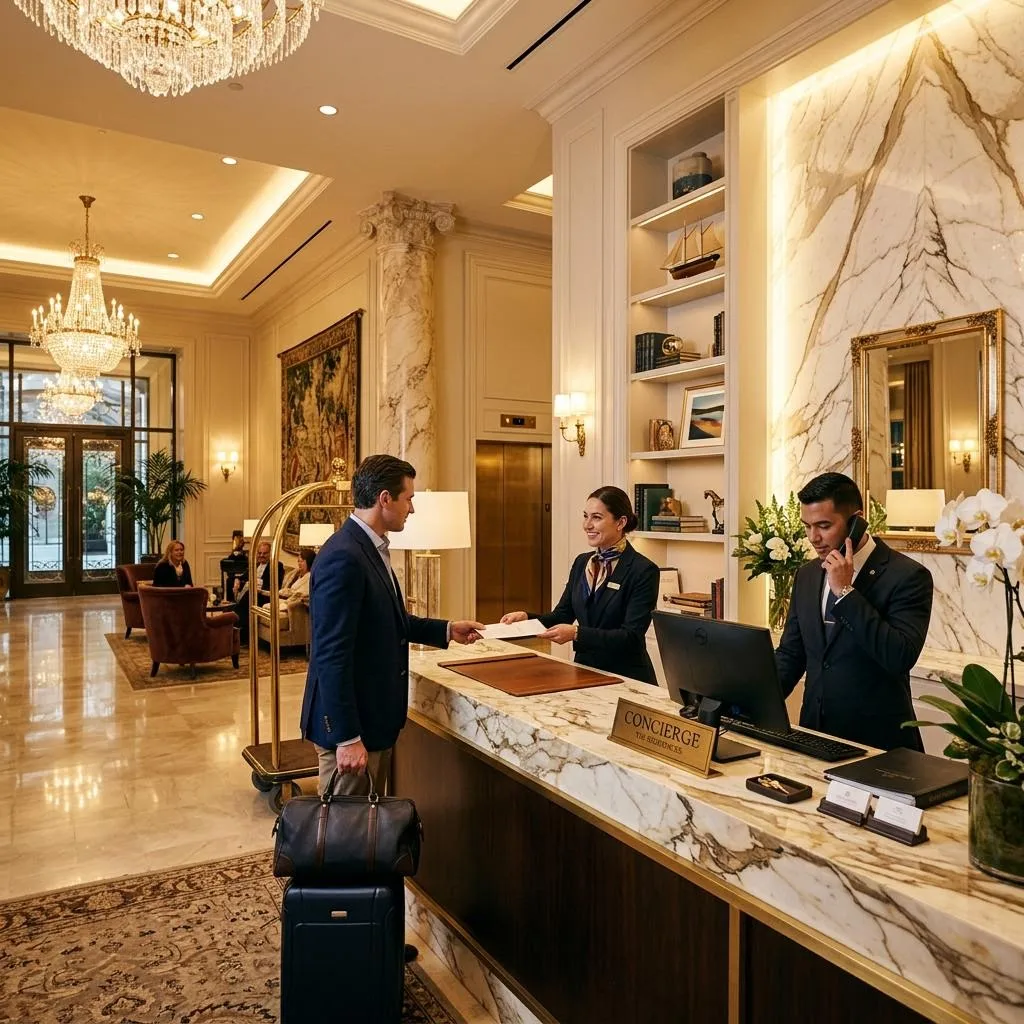
Services are often the strongest practical reason to consider a branded home. Depending on the development, an owner might receive staffed reception, security, maintenance coordination and concierge support. Optional extras may include housekeeping, private dining, airport transfers, childcare or a rental-management programme. Some schemes provide access to an adjoining hotel’s pool or spa; others have their own residents-only facilities. “Access” may mean included, discounted or separately charged—these are materially different offers.
If you travel frequently, a well-run building can simplify ownership: someone manages deliveries, arranges repairs and looks after shared spaces while you are away. But service has a recurring price. Request the current and projected service-charge schedule, distinguish included benefits from paid extras, and find out whether charges can rise after a promotional period or when a hotel opens fully.
The operating structure deserves attention too. Who employs the staff? Is the hotel operator contractually responsible for residential services, or does a separate management company deliver them? What happens if the brand agreement expires or the operator changes? These questions may seem less exciting than viewing a show apartment, but they help establish whether the lifestyle on offer can be sustained.
Visit an operating development if you can, ideally outside a sales event. Ask residents or independent agents about response times, maintenance standards and whether promised facilities opened on schedule. A finished building offers evidence that a computer-generated image cannot. If the project is still under construction, identify which services are contractually committed at handover, which depend on a future hotel opening and whether the developer can substitute a facility or operator. The difference between a proposed amenity and a delivered one should influence how much you are willing to pay today.
Hotel brands, design brands and everything between
Hotel brands tend to lead with service culture. A residence next to a hotel may benefit from established hospitality infrastructure, although the precise owner privileges vary by project. Our guide to hotel-branded residences and their services explains why checking the management agreement matters as much as choosing the operator. Even homes bearing the same hotel name can offer different benefits in different countries.
Design-led and automotive partnerships may lead with visual character, material choices or membership-style experiences instead. A branded tower associated with a carmaker is not necessarily operated like a five-star hotel; a fashion-led project may involve a distinct design language but outsource building management. No single model is inherently better. Choose the form that matches how you will use the home, then check whether the details justify its price and running costs.
Do branded residences cost more?
Often they do, but a premium is not a universal rule. The asking price can reflect prime land, larger amenities, staffing, interior specifications and the brand’s marketing power, in addition to local market conditions. Comparisons are difficult because genuinely equivalent unbranded homes are rare: floor, outlook, tenure, size and completion date all affect price. A headline “brand premium” from a global report cannot tell you whether one apartment is fairly priced.
Compare the total cost of ownership, not just the purchase price. Include taxes and transaction expenses, annual building charges, insurance, replacement reserves, utilities, optional services and any rental-programme fees. For an off-plan purchase, examine the payment schedule, developer safeguards, construction milestones and remedies if completion is delayed. An independent local lawyer should explain the tenure and contract documents before you commit.
Treat rental projections cautiously. A developer’s illustrative occupancy and nightly rate are assumptions, not a guaranteed yield. Ask for the methodology, comparable completed properties, limits on owner use, booking fees and the split of revenues after management and maintenance costs. Where rental returns matter, model a conservative case as well as the optimistic one.
Currency deserves a separate calculation for cross-border buyers. The purchase price may be quoted in one currency, building fees charged in another and rental proceeds earned in a third. Even if local property prices stay level, exchange-rate moves can change the cost of ownership in your home currency. Factor in travel, furnishing replacements and periods when the home is vacant. A managed rental pool may help with administration, but it does not remove market risk, tax obligations or the possibility that owner-use restrictions conflict with your plans.
Where does the brand matter most?
A brand can be especially useful to a buyer unfamiliar with a local market, but it should be a starting point for research rather than a substitute for it. Check the developer’s completed work and financial position separately from the operator’s reputation. Consider neighbourhood fundamentals: transport, nearby services, supply of comparable homes and how the area feels outside peak season. A celebrated brand cannot fix a weak location or an impractical floor plan.
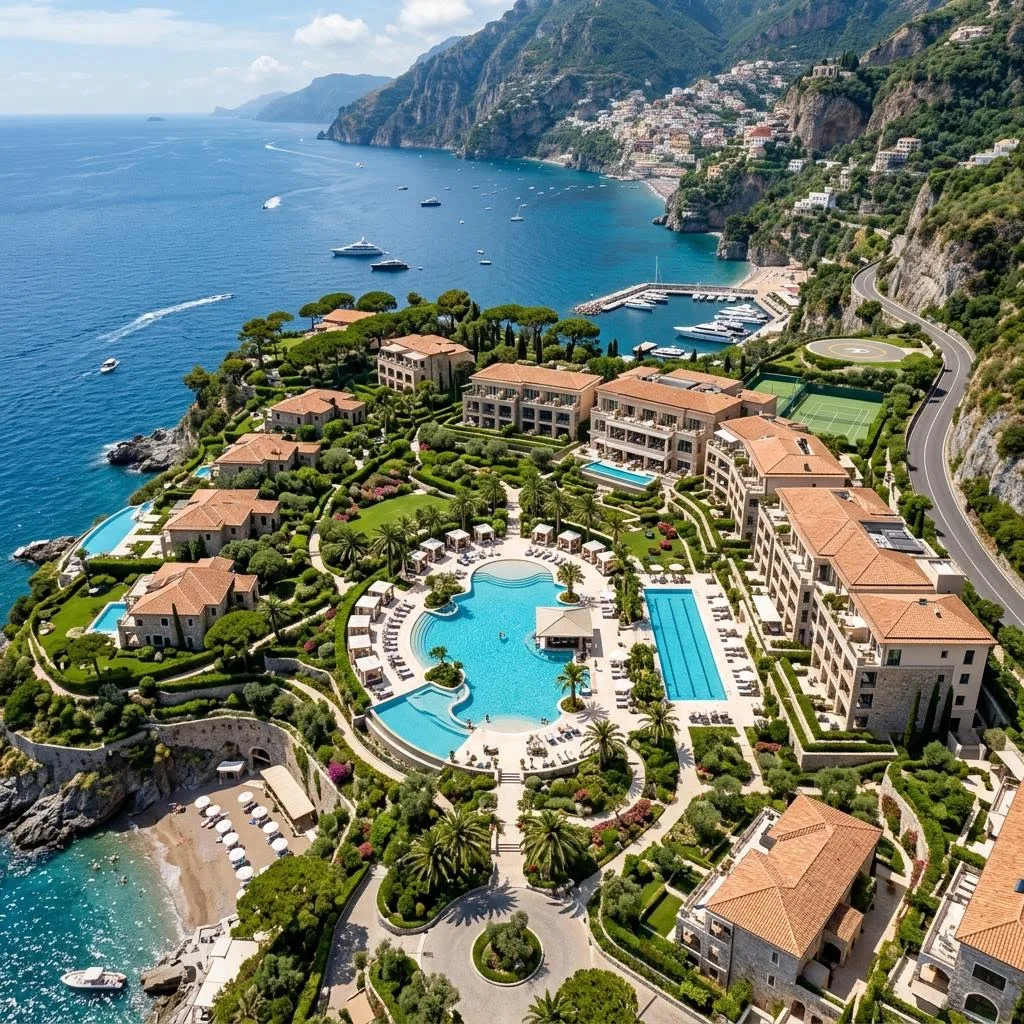
The appeal also differs by destination. In a city such as London, buyers may prioritise discretion, security and easy access to professional services. In Dubai, they may compare new developments and their fee structures. In a resort market, seasonality, maintenance and rental rules can matter more. Browse our branded residences for sale worldwide to see how locations and concepts differ, then compare like with like rather than treating the whole sector as one product.
The questions worth asking before you buy
Begin with the ownership documents. Is the property freehold, leasehold or held under another local title? Can it be used as a full-time residence? Are there restrictions on guests, alterations, pets or letting? Can the brand or management company impose new charges? Confirm any answers with a lawyer familiar with the jurisdiction, not just a sales representative.
- Who owns the brand licence, how long does it last, and what happens if it ends?
- Which services are included in the annual charge and which are billed separately?
- Who controls shared facilities, and can an owner be denied access at busy times?
- Are rental arrangements optional, mandatory or restricted by the building rules?
- What evidence supports any advertised yield, premium or resale claim?
- Who is the developer, what has it delivered before, and what protects off-plan payments?
- Which local taxes, transfer fees and ongoing charges apply to your ownership structure?
Ask for the budget, house rules, management agreement, brand licence summary where available, and the schedule of owner benefits. If crucial information is not yet final, treat the uncertainty as part of the purchasing decision. For overseas homes, obtain independent tax and legal advice in both the property’s location and your place of residence.
The exit matters as much as the entry. Find out whether there is a resale approval process, a transfer fee, a right of first refusal or an obligation to join a particular management programme. Ask what happens to marketing rights if the brand relationship ends before you sell. These terms differ among developments and jurisdictions, so obtain a written explanation from your own adviser. A highly recognisable brand may attract future buyers, but resale still depends on condition, location, supply, pricing and the health of the local market.
Is a branded home right for you?
If you value staffed services, convenience and an identifiable approach to design, a carefully chosen branded residence can be an appealing home. It may be particularly practical when you split time between countries or want a managed base in a city or resort. On the other hand, if you rarely use shared amenities, prefer full control over your home or want low recurring costs, a high-quality unbranded property might suit you better.
Think of the brand as one element of a wider decision: first location and legal ownership, then developer quality, the tangible service package, all-in cost and personal fit. Read primary research critically and revisit it as the market changes. The strongest purchase is not necessarily the most famous logo; it is the home whose location, management and obligations still make sense when the branding is set aside.
A considered next step
Start by writing down how you intend to use the property: primary residence, occasional retreat, family base or rental asset. Shortlist a few destinations, compare both branded and unbranded alternatives and ask for the actual documentation behind each proposal. Our branded residence advisory services can help you organise those comparisons and identify questions for your independent advisers. If you already have a brief in mind, contact our branded residence specialists for a conversation about suitable options.
Branded residences deserve attention because they are reshaping the choices available to international property buyers. They are not a shortcut to assured value or effortless returns. With a clear understanding of the brand’s role, the contracts and the long-term costs, you can decide whether the extra layer of design and service is worth paying for—and whether a particular development truly delivers it.